

Modern power networks are becoming increasingly complex as electricity demand grows, renewable energy capacity expands, and distribution infrastructure becomes more interconnected. Managing these networks effectively requires more than physical equipment—it requires intelligent digital technologies that provide operators with accurate information and faster control.
This is where Supervisory Control and Data Acquisition (SCADA) technology plays a critical role. A scada based system enables utilities, substations, industries, and power infrastructure operators to monitor electrical assets in real time, identify abnormal conditions, and take corrective actions from centralized control environments.
For epc solar companies, utilities, industrial facilities, and infrastructure developers, SCADA has become an important component of modern power management. From substations and transmission networks to renewable energy plants, scada in power systems supports operational visibility, equipment monitoring, fault identification, and informed decision-making.
What Is a SCADA-Based System?
SCADA stands for Supervisory Control and Data Acquisition. It is an automation and monitoring technology designed to collect information from electrical equipment and field devices and present that information to operators through a centralized interface.
A modern scada system in power system applications can collect parameters such as:
Voltage and current
Frequency
Active and reactive power
Transformer loading
Circuit-breaker status
Protection alarms
Energy generation and consumption
Equipment temperature
Fault conditions
The information is transmitted from field devices such as Remote Terminal Units (RTUs), Intelligent Electronic Devices (IEDs), meters, sensors, and protection relays to a central SCADA platform.
Operators can then view equipment status, analyze operating conditions, receive alarms, and perform authorized control actions without needing to physically inspect every component.
Why Real-Time Monitoring Matters in Power Networks
Power networks operate continuously, and even a small disturbance can affect multiple interconnected assets. Traditional manual monitoring can make it difficult to identify developing problems quickly.
Real-time monitoring changes this approach by giving operators immediate visibility into network conditions.
For example, if a transformer begins experiencing abnormal loading, operators can receive an alarm and evaluate the condition before it develops into a more serious operational issue. Similarly, abnormal voltage or frequency conditions can be detected through automated monitoring.
This capability becomes especially valuable for large infrastructure projects handled by epc companies in india, where multiple substations, transmission assets, renewable generation facilities, and distribution systems may need to operate together.
Key Components of SCADA Architecture
A modern SCADA environment typically consists of several interconnected layers.
1. Field Devices
Sensors, meters, protection relays, breakers, transformers, and other electrical equipment generate operational data. These devices provide the basic information required for monitoring and control.
2. RTUs and IEDs
RTUs and IEDs collect information from field equipment and communicate it to higher-level systems. Modern IEDs can also perform protection, measurement, event recording, and automation functions.
3. Communication Network
A communication infrastructure connects field equipment with control centers. Depending on the application, communication can use fiber-optic networks, Ethernet, serial communication, wireless technologies, or other industrial communication protocols.
4. SCADA Platform
The central platform processes incoming data and presents it through graphical interfaces. Operators can monitor equipment status, review trends, acknowledge alarms, and perform permitted control actions.
5. Human-Machine Interface
The HMI provides operators with a visual representation of the power network. It can display single-line diagrams, equipment conditions, alarms, measurements, and historical trends.
SCADA and Substation Automation
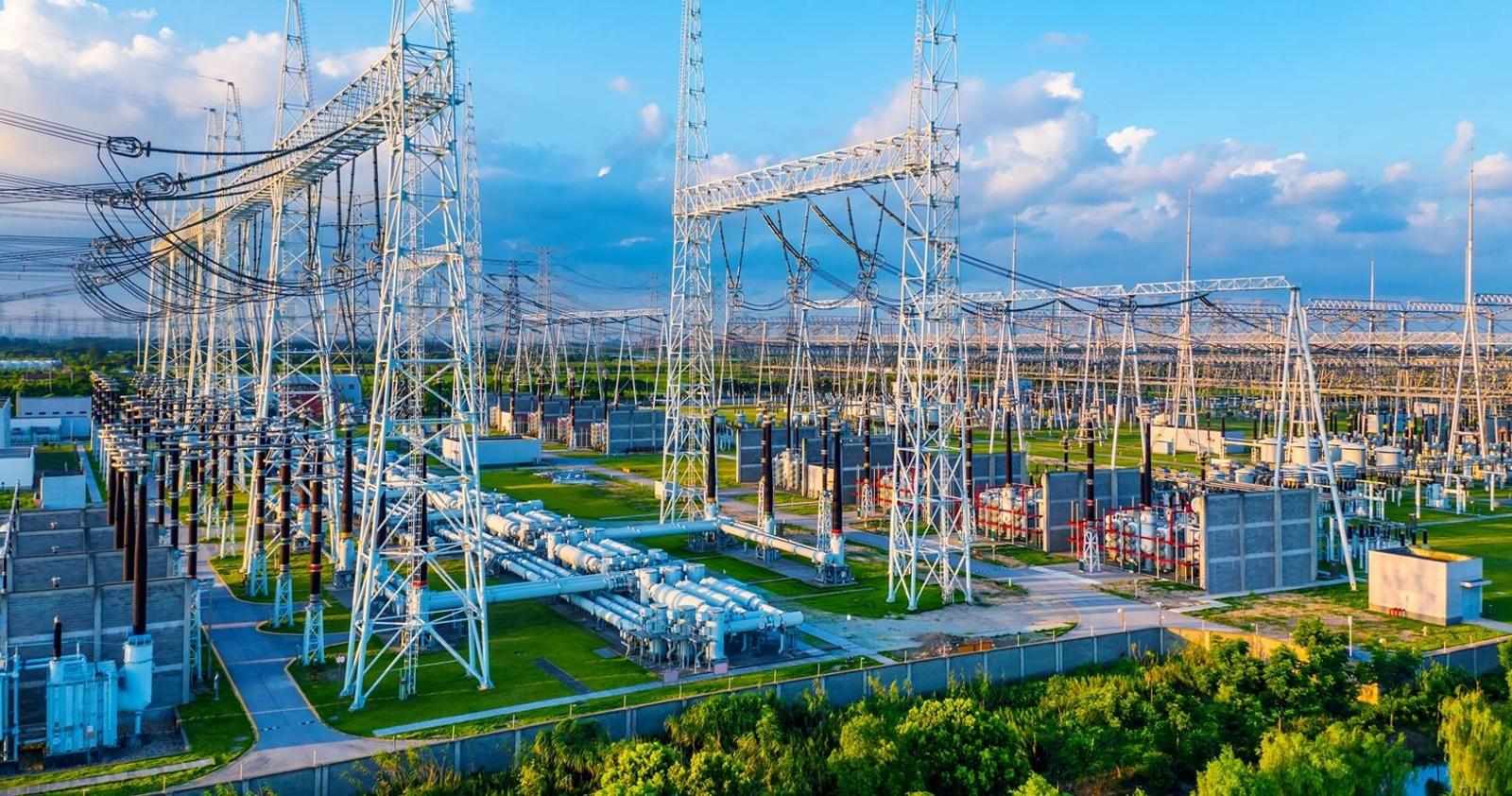
Substations are among the most important applications for SCADA technology. A substation contains multiple electrical assets that must work together safely and efficiently.
A control and relay panel integrates protection, control, measurement, and indication functions within the substation environment. When these systems communicate with SCADA, operators gain centralized visibility into the operating condition of critical equipment.
A relay control panel can provide information related to protection operations, breaker status, fault events, and electrical parameters. This data can then be integrated into the broader automation architecture.
Specialized control relay panel manufacturers in india support modern substations by developing panels that accommodate protection relays, communication interfaces, control circuits, meters, and other automation components.
For high-voltage installations, a control and relay panel in substation applications can be integrated with SCADA and substation automation systems to support centralized monitoring.
For example, a 132 kv control relay panel can facilitate monitoring and control functions associated with 132 kV substation equipment, depending on the project architecture and protection scheme.
Connecting SCADA With Electrical Distribution Equipment
SCADA does not operate independently. It interacts with a wide range of electrical infrastructure.
Medium-voltage and low-voltage switchgear can provide operational data that helps facility managers and power-system operators monitor electrical conditions.
A medium voltage switchboard can incorporate protection, metering, switching, and communication capabilities. When connected to SCADA, operators can monitor critical parameters and equipment status remotely.
Similarly, a medium voltage panel can be integrated with intelligent protection and measurement devices to support automated monitoring.
At the low-voltage level, equipment supplied by low voltage switchboard manufacturers can incorporate smart meters, protection devices, and communication capabilities.
An lv switchgear panel connected to a SCADA architecture can provide visibility into feeder status, load conditions, alarms, and other operating parameters.
SCADA for Renewable Energy Integration
India's growing renewable energy capacity is creating new requirements for grid visibility and control. Solar and other renewable generation sources can introduce variable power output, making real-time monitoring increasingly important.
For solar epc companies, SCADA can provide plant-level visibility into generation, inverter performance, weather conditions, electrical parameters, alarms, and grid interface conditions.
A solar power plant can contain hundreds or thousands of individual components. SCADA helps consolidate information from these assets into centralized monitoring platforms.
This allows operators to track:
Solar generation
Inverter status
Plant availability
Grid parameters
Transformer performance
Energy export
Equipment alarms
Historical generation trends
As top solar epc companies in india and other project developers work on increasingly large renewable energy installations, digital monitoring becomes an important part of plant operations and grid coordination.
SCADA and Packaged Substations
Compact electrical infrastructure is increasingly being deployed for industrial, commercial, renewable energy, and infrastructure applications.
A packaged transformer substation combines key electrical components within a compact configuration. Integrating intelligent monitoring devices into such systems can allow operators to collect transformer, protection, switching, and energy data remotely.
This creates opportunities for centralized monitoring across multiple distributed substations and facilities.
Benefits of SCADA-Based Monitoring
A properly designed SCADA architecture can provide several operational benefits.
Faster Fault Identification
Real-time alarms help operators identify abnormal conditions quickly and begin troubleshooting without waiting for manual inspections.
Better Equipment Visibility
Operators can monitor electrical assets from centralized locations, improving visibility across large networks.
Improved Operational Decisions
Historical trends and real-time measurements provide useful information for assessing loading, voltage conditions, equipment behavior, and system performance.
Remote Control Capabilities
Where the system design and safety procedures permit it, operators can remotely control breakers and other equipment, reducing the need for physical intervention.
Better Maintenance Planning
SCADA data can reveal recurring alarms, unusual loading, and equipment behavior that may indicate maintenance requirements.
Support for Grid Modernization
SCADA provides a digital foundation for modern power networks by connecting field equipment, communication systems, automation technologies, and control centers.
SCADA's Role in the Future Power Grid
The future electricity network will require greater coordination between generation, transmission, distribution, storage, and consumers. As renewable generation expands, power systems will become more dynamic and data-driven.
A modern scada control system can work alongside protection automation, energy management systems, smart meters, communication networks, and analytics platforms.
For top epc companies in india, integrating these technologies into power infrastructure projects can help create more intelligent and observable electrical networks.
SCADA can also support the increasing deployment of battery energy storage, distributed solar generation, smart substations, and automated distribution networks.
The result is a power infrastructure ecosystem where operators have access to timely information and can respond more effectively to changing electrical conditions.
Choosing the Right SCADA Architecture
The effectiveness of a SCADA solution depends on how well it is designed for the specific application. Factors such as network size, voltage level, number of assets, communication protocols, cybersecurity requirements, redundancy, scalability, and operational objectives should be considered.
A scada based system should also be designed to integrate with existing electrical equipment while allowing future expansion.
For large substations, renewable energy plants, industrial facilities, and distribution networks, interoperability between protection systems, switchgear, RTUs, IEDs, communication networks, and central monitoring platforms is particularly important.
This makes SCADA not simply a monitoring tool, but an important part of the overall digital architecture of modern power infrastructure.
Build Smarter and More Connected Power Infrastructure
As power networks become more distributed, renewable-driven, and digitally connected, real-time visibility is becoming increasingly important. SCADA technology provides the monitoring and control framework needed to manage complex electrical systems with greater data visibility and operational awareness.
From substations and transmission networks to solar power plants and industrial electrical systems, intelligent automation can help infrastructure operators make faster, data-backed decisions.
For organizations evaluating advanced power infrastructure and renewable energy solutions, Hartek Group offers expertise across power systems, renewable energy, solar EPC, and electrical infrastructure.



Write a comment ...