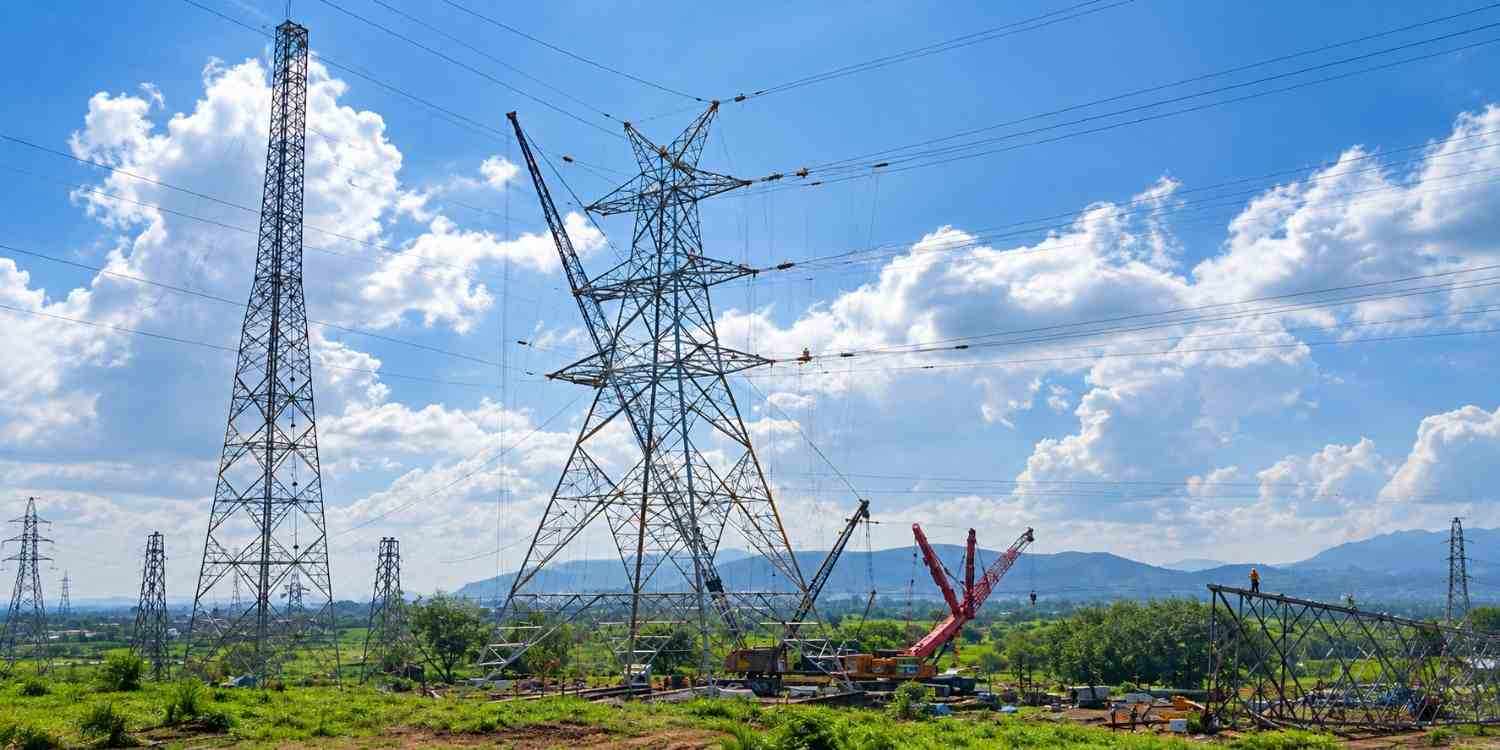
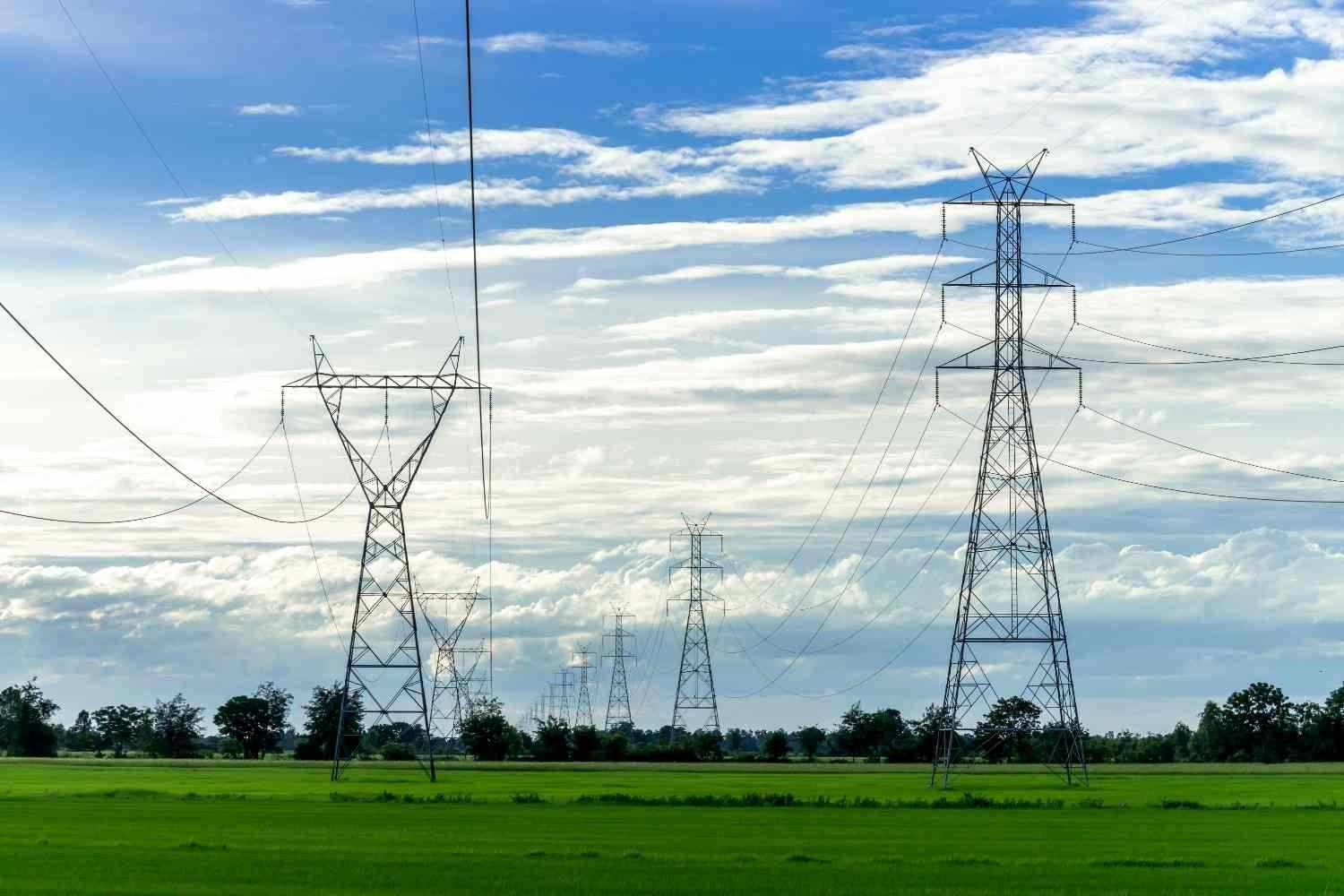
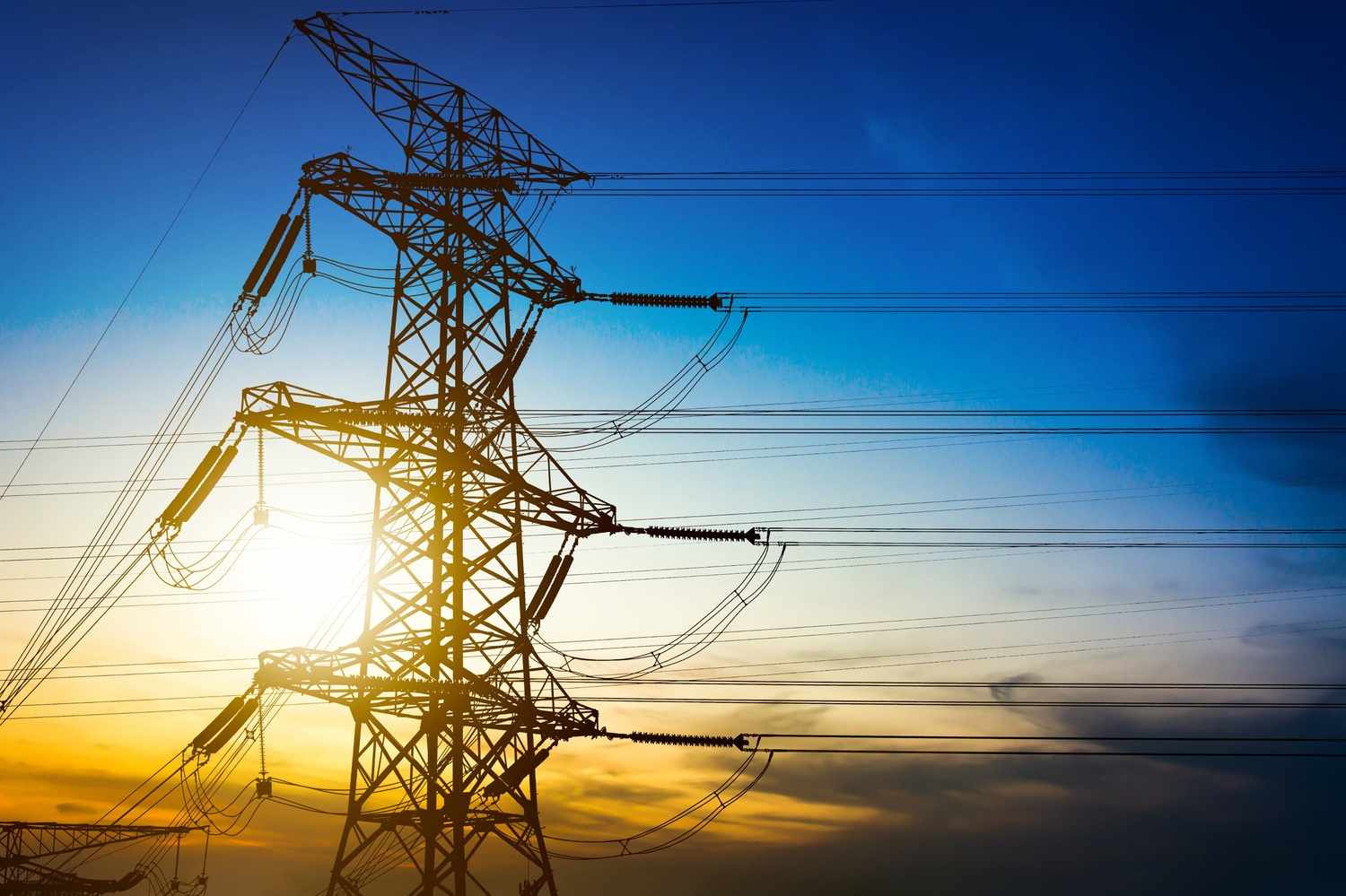
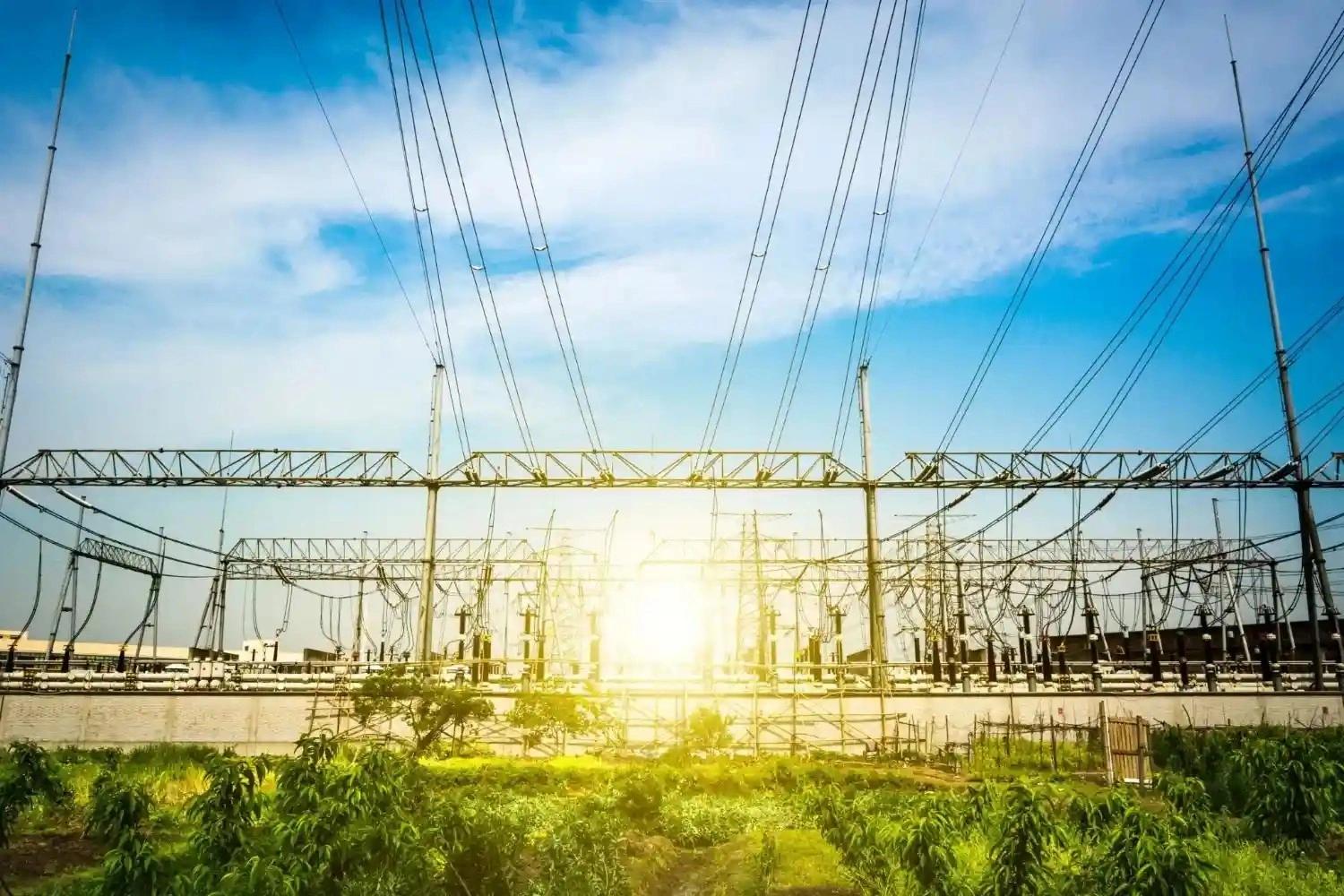
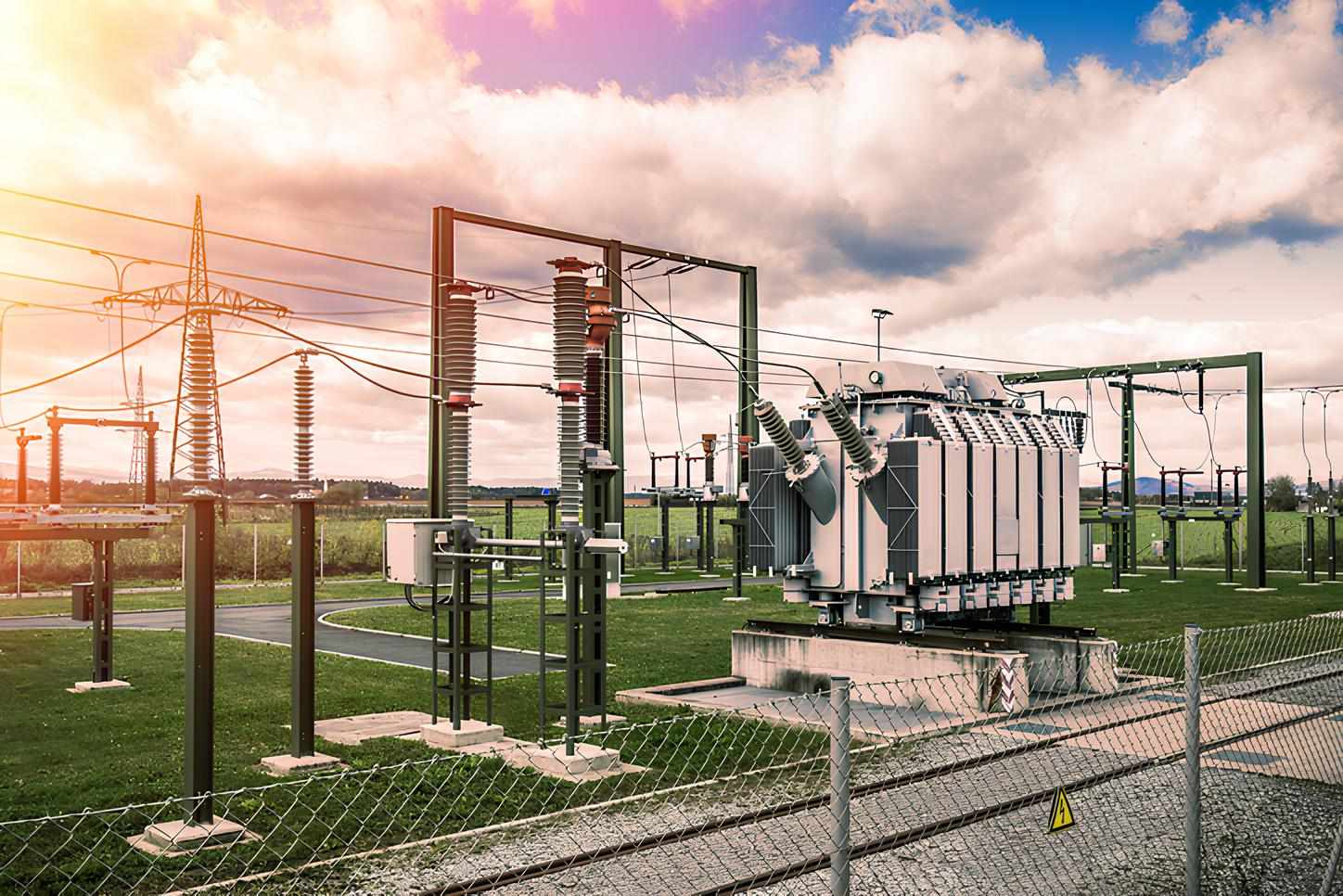
Hartek Group explores how electrification can serve as a critical foundation for social progress, economic participation, and community development across India. Access to dependable electricity influences far more than household power consumption—it enables schools to use digital learning tools, healthcare facilities to operate essential equipment, businesses to extend productive hours, and communities to access communication and digital services. The blog examines how investment in power distribution, rural electrification, last-mile connectivity, and modern electrical infrastructure can help bridge development gaps and create greater opportunities for underserved communities. It also highlights the connection between electrification and economic empowerment, including support for micro-enterprises, agriculture, education, healthcare, and digital inclusion. As India's energy requirements continue to grow, integrating renewable energy solutions with stronger distribution networks can provide a sustainable pathway for expanding electricity access while addressing future demand. The article further emphasizes the importance of designing power infrastructure around community needs, resilience, accessibility, and long-term sustainability. By treating electricity access as an important element of social infrastructure, India can strengthen the foundation for inclusive growth and improve the ability of communities to participate in a rapidly evolving economy.


Hartek Group highlights the transformative role of electrification as a form of social infrastructure that can strengthen communities, improve access to essential services, and support India's broader development goals. This blog examines how dependable access to electricity goes beyond household consumption by enabling better education, healthcare, communication, livelihoods, public services, and economic participation. The article explains how electricity access can contribute to improved living standards while creating opportunities for businesses, schools, healthcare facilities, and local communities to operate more effectively. It also discusses the importance of strengthening distribution networks, expanding clean energy access, improving power quality, and developing infrastructure that can serve growing electricity requirements across diverse regions. The blog further highlights how renewable energy, decentralized power solutions, modern distribution systems, and grid improvements can contribute to a more inclusive and sustainable energy ecosystem. As India advances its development agenda, electrification can serve as an important foundation for digital connectivity, rural development, industrial growth, and access to essential services. With expertise in power infrastructure and renewable energy solutions, Hartek Group supports the development of energy systems that can contribute to a more connected, productive, and sustainable India.


India's power sector is undergoing a major transformation. Rapid renewable energy deployment, rising electricity demand, industrial growth, electrification, and the increasing use of digital technologies are changing how electricity is generated, transmitted, stored, and consumed.


Hartek Group highlights the growing importance of Battery Energy Storage Systems (BESS) in modern power infrastructure and grid planning. As renewable energy capacity continues to expand, electricity networks require greater flexibility to manage changing generation patterns, peak demand, and grid balancing requirements. This blog explains how BESS is moving beyond an add-on solution and becoming an important component of future-ready power systems. It covers the role of battery storage in managing renewable power variability, supporting peak load management, improving grid stability, and enhancing the efficient use of generated electricity. The article also discusses how BESS can support frequency regulation, energy shifting, backup power, congestion management, and better integration of solar and other renewable energy sources. For utilities, industries, renewable energy developers, and grid operators, incorporating energy storage into infrastructure planning can help create more adaptable and responsive electricity networks. The blog further highlights the importance of selecting suitable storage capacity, developing appropriate charging and discharging strategies, integrating BESS with grid infrastructure, and considering operational requirements during project planning. With expertise across power systems, renewable energy, and emerging energy solutions, Hartek Group supports the development of modern energy infrastructure designed to address India's evolving electricity requirements and clean energy goals.


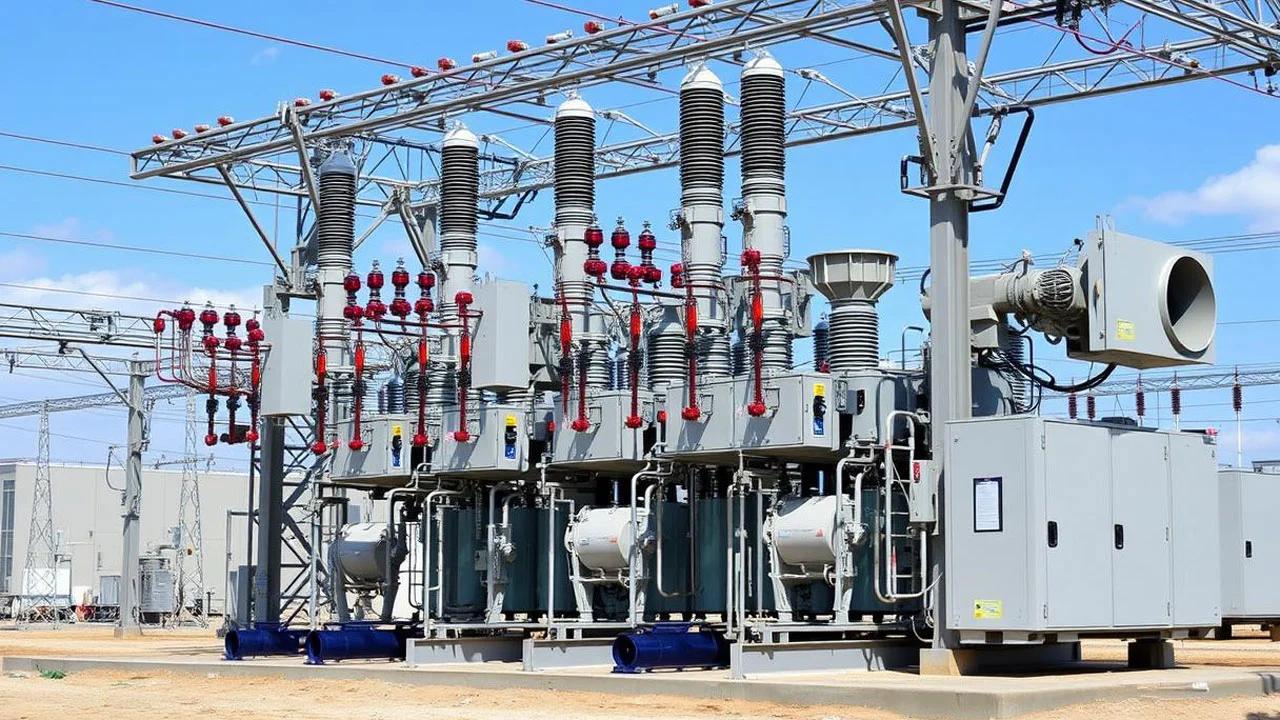
Hartek Group provides advanced control relay panel solutions designed to improve the safety, reliability, and operational efficiency of electrical substations and power distribution networks. This blog explains the importance of control relay panels in protecting critical electrical equipment by enabling accurate fault detection, monitoring, control, and automation of power systems. The article highlights key aspects such as protection relays, circuit breaker control, SCADA integration, substation automation, real-time monitoring, and the role of advanced relay systems in maintaining grid stability. Control relay panels are essential for industries, utilities, and infrastructure projects where uninterrupted power supply and equipment protection are crucial. The blog also covers how modern relay panels help minimize downtime, enhance system performance, improve fault response, and support efficient energy management. With expertise in designing and manufacturing reliable electrical solutions, Hartek Group delivers customized control relay panels that meet industry standards and support the development of safe, smart, and future-ready power infrastructure.


India's rapid economic expansion depends on a robust and resilient power infrastructure capable of meeting increasing electricity demand while supporting the nation's clean energy ambitions. In this insightful blog, Hartek Group discusses how modern power infrastructure extends far beyond electricity transmission—it serves as the foundation for industrial productivity, digital transformation, manufacturing growth, urban development, and national energy security. The article examines the significance of strengthening transmission and distribution networks, deploying advanced substations, improving grid flexibility, and integrating renewable energy sources such as utility-scale and rooftop solar into the national grid. Readers will also gain insights into the importance of smart grid technologies, digital monitoring systems, SCADA-enabled automation, high-voltage transmission infrastructure, and resilient electrical networks that minimize outages and enhance operational efficiency. The blog further explains how engineering excellence, sustainable project execution, and innovative EPC capabilities are helping India achieve its Net Zero commitments while ensuring reliable power delivery across urban and rural regions. Additionally, it highlights the growing need for future-ready infrastructure that can support electric mobility, energy storage systems, smart cities, and expanding industrial corridors. By investing in modern power systems today, India is building a stronger, more secure, and environmentally responsible energy ecosystem for generations to come. Key Highlights: Importance of power infrastructure in India's economic development Role of transmission and distribution modernization Renewable energy integration and grid stability Smart grids, SCADA, and digital power management High-voltage substations and resilient electrical networks EPC expertise in delivering large-scale infrastructure projects Support for Net Zero and clean energy objectives Future-ready infrastructure for smart cities, EVs, and industrial growth Enhancing energy security through reliable power systems Building a sustainable and resilient energy ecosystem Source Link: https://hartek.com/post/power-infrastructure-strategic-asset-india/


SummaryIndia’s journey to net zero depends not only on renewable energy generation but also on the ability to transmit power efficiently across the country. As electricity demand rises and renewable energy projects expand, 765kV substations and transmission lines are becoming critical to grid reliability, renewable integration, and long-distance power transfer. This article explores the strategic importance of ultra-high-voltage infrastructure, the engineering complexity behind 765kV projects, and how advanced transmission networks are helping build a stronger, smarter, and more resilient energy infrastructure in India.


India’s next phase of economic growth is expected to be driven by massive investments in power infrastructure, transmission networks, substations, and grid modernization. As manufacturing, urbanization, digital infrastructure, and renewable energy adoption accelerate, reliable electricity systems are becoming essential for long-term competitiveness and GDP growth. The upcoming infrastructure capex cycle is no longer limited to roads and railways; it now includes renewable integration, smart grids, energy storage, and advanced transmission systems. Strong energy infrastructure in India is emerging as a strategic economic moat that will support industrial expansion, energy security, and sustainable development through 2030 and beyond.


As India accelerates its renewable energy ambitions, the challenge of balancing clean energy expansion with agricultural land preservation is becoming increasingly important. Agrivoltaics in India is emerging as a practical solution to this land-energy paradox by enabling solar power generation and farming on the same piece of land. Particularly relevant for Punjab, where agriculture and renewable energy goals intersect, agrivoltaic systems offer opportunities to enhance farmer incomes, improve water efficiency, support food security, and contribute to national clean energy targets. By combining advanced solar engineering, grid integration, and resilient infrastructure, agrivoltaics has the potential to transform how India approaches sustainable development while maximizing land productivity.


India’s power sector is rapidly evolving toward smarter, more resilient, and digitally connected infrastructure, with GIS substations emerging as a critical part of the transition. Gujarat is becoming a leading hub for smart GIS infrastructure due to its expanding renewable energy capacity, industrial growth, and rising transmission requirements. Modern GIS substations are helping utilities improve grid reliability, optimize space usage, reduce maintenance needs, and support efficient renewable energy integration. Combined with digital technologies, automation, and Battery Energy Storage Systems (BESS), smart GIS infrastructure is strengthening India’s electrical power transmission system and enabling future-ready energy networks.


The rise of Smart GIS (Gas Insulated Substation) technology is transforming India’s power transmission sector by enabling compact, reliable, and high-efficiency electrical infrastructure. Gujarat is emerging as a leading hub for smart GIS adoption due to rapid industrialization, urban expansion, renewable energy growth, and increasing electricity demand. Smart GIS substations are helping improve grid reliability, reduce transmission losses, optimize space utilization, and support uninterrupted power supply for industries and smart cities. With advanced digital monitoring, automation, and intelligent protection systems, GIS technology is becoming essential for building a future-ready and resilient power network in India.


India’s clean energy transition depends not only on renewable power generation but also on strong and resilient grid infrastructure. Substations are emerging as the backbone of this transformation by enabling efficient renewable integration, stabilizing the grid, and ensuring uninterrupted electricity supply. As power demand rises due to industrial growth, electrification, and digital expansion, advanced substations, high-capacity ICT systems, and smart transmission infrastructure are becoming essential. Digital substations equipped with automation, AI-based monitoring, and intelligent protection systems are improving grid resilience and supporting India’s evolving energy ecosystem.


India’s infrastructure growth and economic progress depend heavily on strong and reliable power infrastructure in India, with substations forming the backbone of this transformation. As industries expand, cities modernize, and renewable energy adoption accelerates, substations are becoming essential for efficient power transmission, grid stability, and uninterrupted electricity supply. Advanced substations, digital automation, and high-voltage infrastructure are enabling seamless integration of renewable energy while strengthening the national grid. Modern power infrastructure in India is now a critical driver of industrial growth, urban development, and long-term sustainability ambitions.


India’s energy transition is moving beyond adding generation capacity toward ensuring reliable and efficient power delivery. As renewable energy adoption accelerates, grid readiness, modern substations, and advanced infrastructure are becoming critical to long-term success. Strong transmission networks, smart grid technologies, and energy storage systems are helping create a resilient ecosystem where electricity is delivered consistently to industries, cities, and rural communities. Reliability is emerging as the true benchmark of India’s clean energy future.


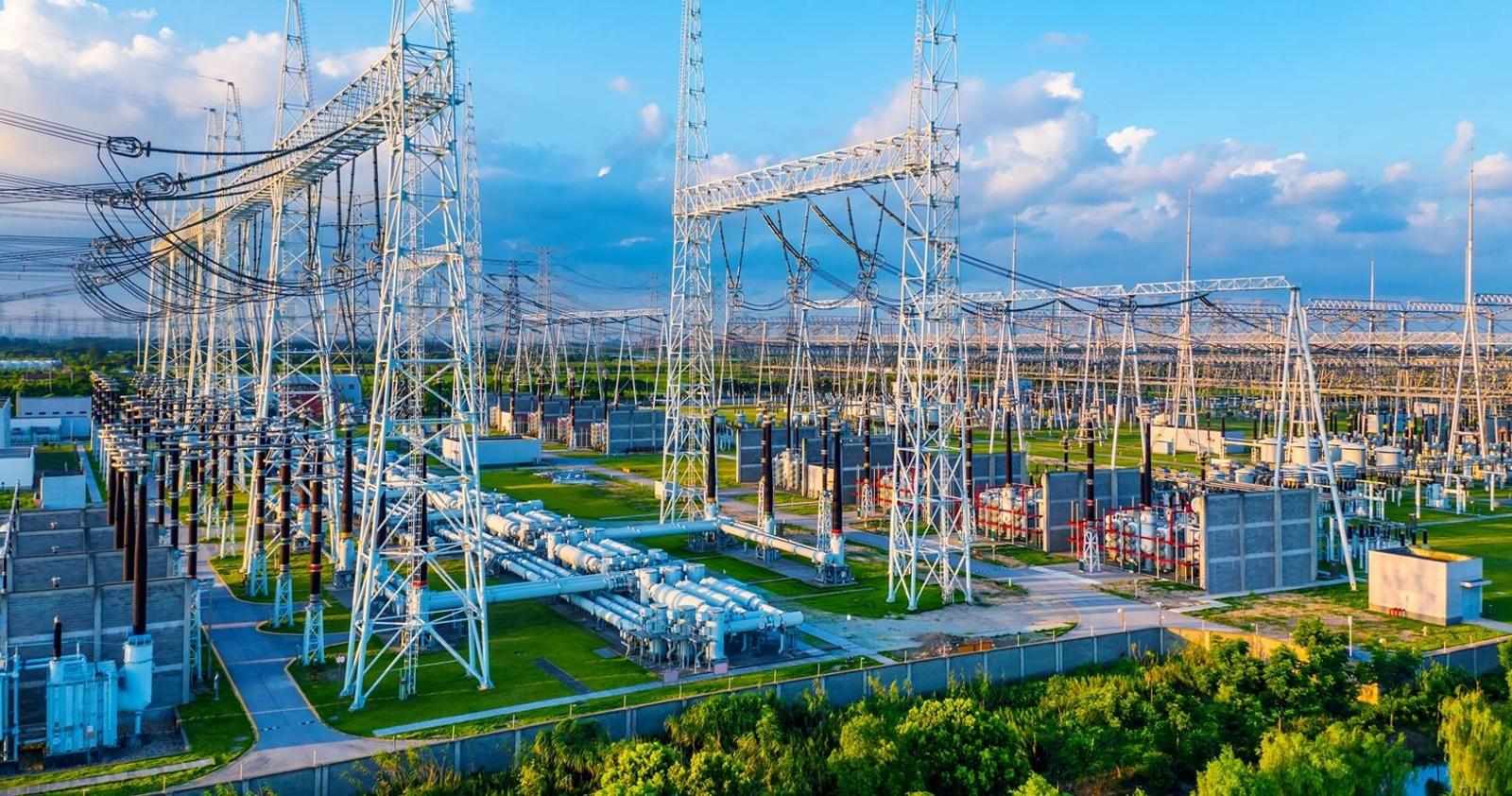
Power substations are emerging as critical enablers of India’s infrastructure and economic growth. As electricity demand rises and renewable energy expands, substations play a vital role in ensuring efficient power transmission, grid stability, and reliable electricity supply. With advancements in EHV systems, digital technologies, and smart grid integration, substations are evolving into intelligent infrastructure components that support India’s transition toward a resilient and future-ready energy ecosystem.


India is redefining energy security by shifting focus from fuel dependency to reliable electricity supply. With rapid electrification, expansion of renewable energy projects, and increasing reliance on digital infrastructure, the need for strong grid systems has become critical. Investments in transmission, electric power distribution, and smart grid technologies are enabling a more resilient and efficient energy ecosystem, positioning electricity as the backbone of India’s economic growth.


FY26 underscored the critical role of energy in driving India’s economic momentum and long-term resilience. With accelerated renewable energy adoption, expanding grid infrastructure, and a stronger focus on execution, the sector is evolving rapidly. Strategic investments, coupled with the expertise of top EPC companies in India, are enabling the development of robust renewable energy projects and strengthening the nation’s path toward energy security and sustainable growth.


India’s budget-funded power projects are accelerating the country’s transition toward a stronger and more sustainable energy ecosystem. These initiatives depend on the capabilities of EPC solar companies to deliver high-quality, compliant, and efficient infrastructure. From renewable energy projects to grid upgrades and solar rooftop installations, EPC companies play a vital role in converting public investments into reliable power systems that support long-term growth and energy security.


SummaryInfrastructure projects in India play a crucial role in driving economic momentum and improving social outcomes across the country. From transport networks to power infrastructure and renewable energy projects, these developments enhance connectivity, ensure reliable electricity, and support industrial progress. Backed by top EPC companies in India, complex projects are executed efficiently, strengthening electric power distribution and enabling seamless renewable energy integration. As India moves toward a sustainable future, infrastructure remains a cornerstone of growth, employment generation, and enhanced living standards.