
India's electricity infrastructure is evolving as industrial demand increases, cities expand, and renewable energy capacity grows. Meeting these requirements calls for power networks that can handle changing electricity flows, respond to faults, and maintain stable operations under demanding conditions.
Substations play a central role in this process. They transform voltage, connect transmission lines, control electrical circuits, and protect critical equipment. Advanced substation engineering brings together modern switchgear, digital protection, automation, communication systems, and coordinated design to improve grid performance.
For utilities, renewable energy developers, and infrastructure companies, investing in well-engineered substations can support dependable electricity transmission, faster fault response, and improved operational visibility.
Key Takeaways
Advanced substation engineering supports safe and dependable electricity transmission.
Digital protection and automation improve fault detection and operational response.
SCADA systems help operators monitor equipment and network conditions.
Coordinated MV, LV, and high-voltage equipment supports efficient substation operation.
Preventive and condition-based maintenance can help reduce unplanned equipment outages.
Integrated EPC execution supports coordination between substations, renewable generation, and transmission infrastructure.
1. Why Substation Engineering Matters for Grid Reliability
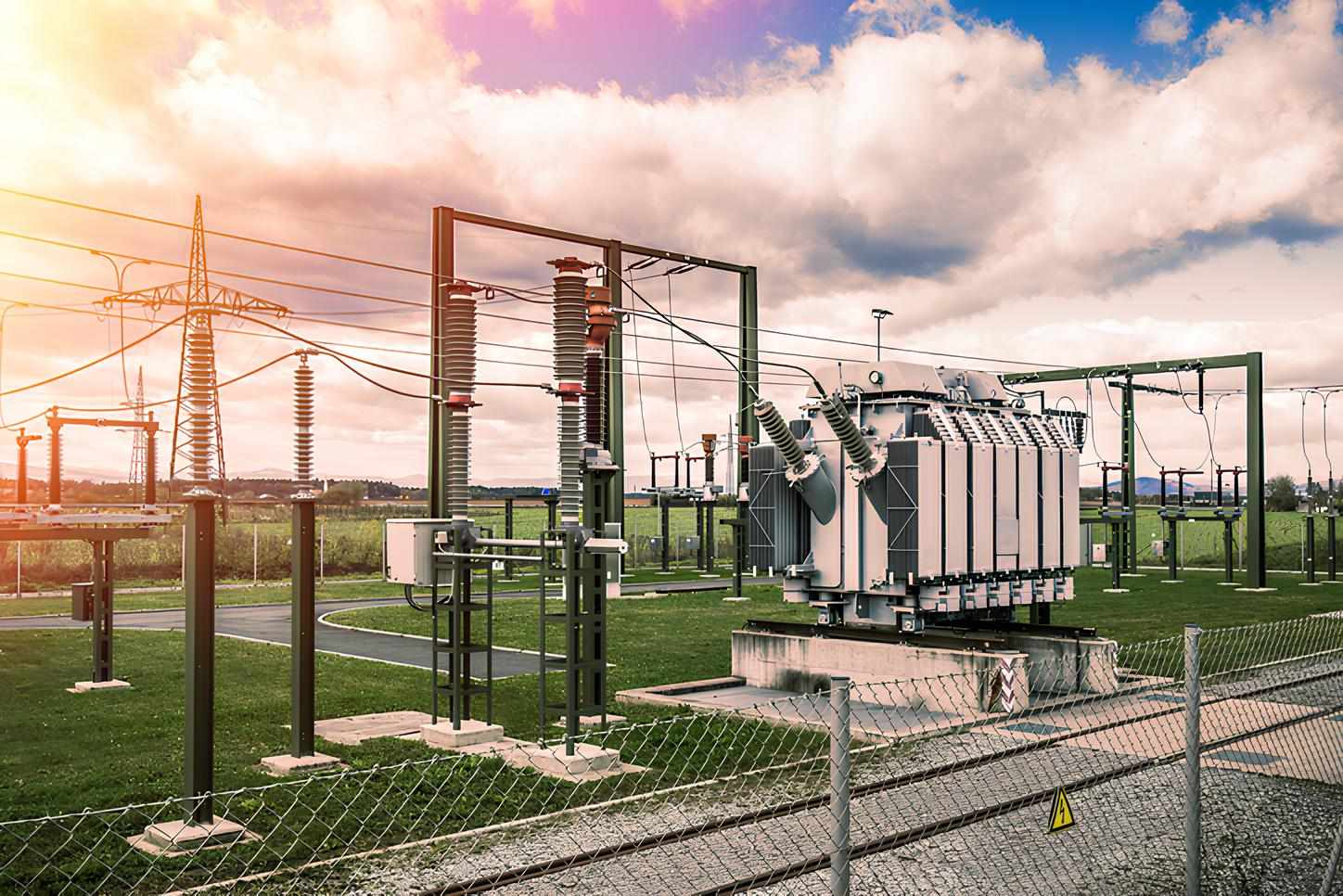
Substations connect different sections of the electricity network and provide the equipment required to manage voltage levels, isolate faults, and control power flows.
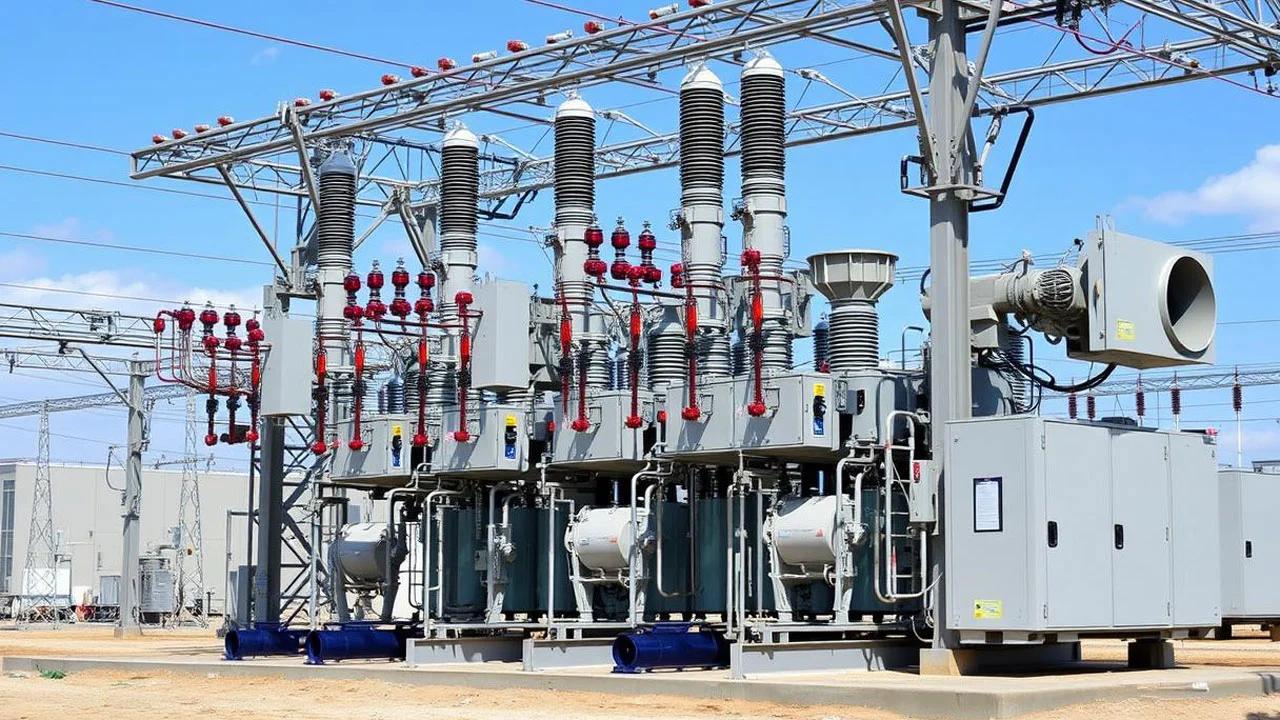
A substation may contain power transformers, circuit breakers, isolators, busbars, instrument transformers, protection relays, control panels, and communication systems. Each component must operate correctly within the overall electrical design.
Poor coordination between equipment ratings, protection settings, and operating requirements can increase the risk of equipment failure or unnecessary interruptions. Advanced engineering addresses these issues during the planning and design stages.
Key engineering considerations include:
Electrical load-flow and short-circuit studies
Equipment ratings and insulation coordination
Protection and control philosophy
Earthing and lightning protection
Equipment layout and clearances
Auxiliary power supply arrangements
Communication and automation architecture
Testing, commissioning, and maintenance requirements
The Central Electricity Authority (CEA) provides technical standards and engineering guidance for transmission lines and substations, supporting the safe development and operation of India's power infrastructure. Read more from the CEA.
2. Digital Protection Systems Improve Fault Response
Electrical faults can occur because of insulation breakdown, lightning, equipment malfunction, or conductor damage. If a fault persists, it can damage expensive assets and affect connected parts of the network.
Modern protection systems use digital relays, instrument transformers, circuit breakers, and coordinated control logic to identify abnormal conditions and isolate the affected section.
A relay control panel provides an organised arrangement for protection relays, control circuits, indications, and associated interfaces.
Similarly, a control and relay panel supports substation protection and control functions, including breaker operation, alarm indication, and equipment status monitoring.
For substations operating at 132 kV, a 132 kv control relay panel may be specified to support the approved protection scheme and associated control requirements.
Selecting experienced control relay panel manufacturers in india can help project teams address panel configuration, wiring, relay integration, documentation, and testing requirements.
Protection coordination is particularly important. The objective is to ensure that the appropriate protective device responds to a fault while limiting unnecessary disconnection of healthy network sections.
3. Substation Automation Enhances Operational Visibility
Traditional substations rely on local indications and operator-led switching procedures for many activities. Advanced automation can connect protection devices, circuit breakers, measurement equipment, and supervisory control systems through an integrated architecture.
A scada system in power system applications gathers operational data from connected equipment and presents it to operators through a supervisory interface.
A scada control system can support functions such as:
Real-time equipment status monitoring
Voltage and current measurements
Alarm and event management
Remote monitoring and selected control operations
Operational data recording
Fault analysis and reporting
A scada based system can also help operators identify unusual equipment conditions and coordinate operational decisions across geographically distributed substations.
The wider role of scada in power systems is to improve situational awareness and support timely action. However, SCADA does not replace local protection relays or their dedicated fault-clearing functions.
The CEA has highlighted substation automation, SCADA compatibility, and condition-based maintenance as technologies and practices that can support equipment reliability and improve maintenance planning. Read the CEA's distribution planning criteria.
4. Coordinating MV and LV Equipment
Reliable substation performance depends on more than high-voltage equipment. Medium-voltage and low-voltage systems support auxiliary supplies, feeder connections, control equipment, and power distribution within industrial and utility installations.
A medium voltage switchboard provides switching and protection for medium-voltage circuits. The selection of a medium voltage panel should consider the rated voltage, continuous current, short-circuit withstand capability, installation environment, and intended application.
At lower voltage levels, experienced low voltage switchboard manufacturers can help specify equipment for auxiliary loads, lighting, motors, control supplies, and other electrical requirements.
An lv switchgear panel supports low-voltage switching, distribution, and protection. Where a compact integrated arrangement is suitable, a packaged transformer substation can combine medium-voltage switchgear, a distribution transformer, and low-voltage distribution equipment within a coordinated enclosure.
These systems must be engineered to work together. Inadequate coordination between protective devices, transformer ratings, and switchgear can affect fault clearance and operational continuity.
Hartek's Power Distribution Products portfolio includes MV switchboards up to 33 kV, LV switchboards, control relay panels up to 220 kV, packaged substations, and SCADA and automation solutions. View Hartek's Power Distribution Products.
5. Stronger Engineering Supports Grid Resilience
Grid reliability concerns the ability to provide dependable electricity under normal operating conditions. Grid resilience also involves the ability to withstand disturbances, limit their effects, and restore operations after an interruption.
Advanced substation engineering can support both objectives through several measures:
Redundant protection and control arrangements: Appropriate redundancy can reduce the risk that a single component failure disables a critical function.
Coordinated equipment selection: Equipment ratings and protection settings should reflect the expected fault levels and operating conditions.
Robust auxiliary supplies: Properly designed AC and DC auxiliary systems help ensure that protection, control, and communication equipment remain available when required.
Effective earthing and insulation coordination: These measures help protect personnel and equipment against electrical hazards and transient overvoltages.
Condition monitoring: Monitoring equipment condition can help maintenance teams identify developing problems before they lead to failure.
Cybersecurity: Digital substations require controlled access, secure communication arrangements, and appropriate configuration management.
The CEA's national transmission planning documents discuss digital substations, advanced monitoring, predictive maintenance, and cybersecurity as part of modernising power infrastructure. Explore CEA transmission planning material.
6. Renewable Energy Integration Requires Advanced Substations
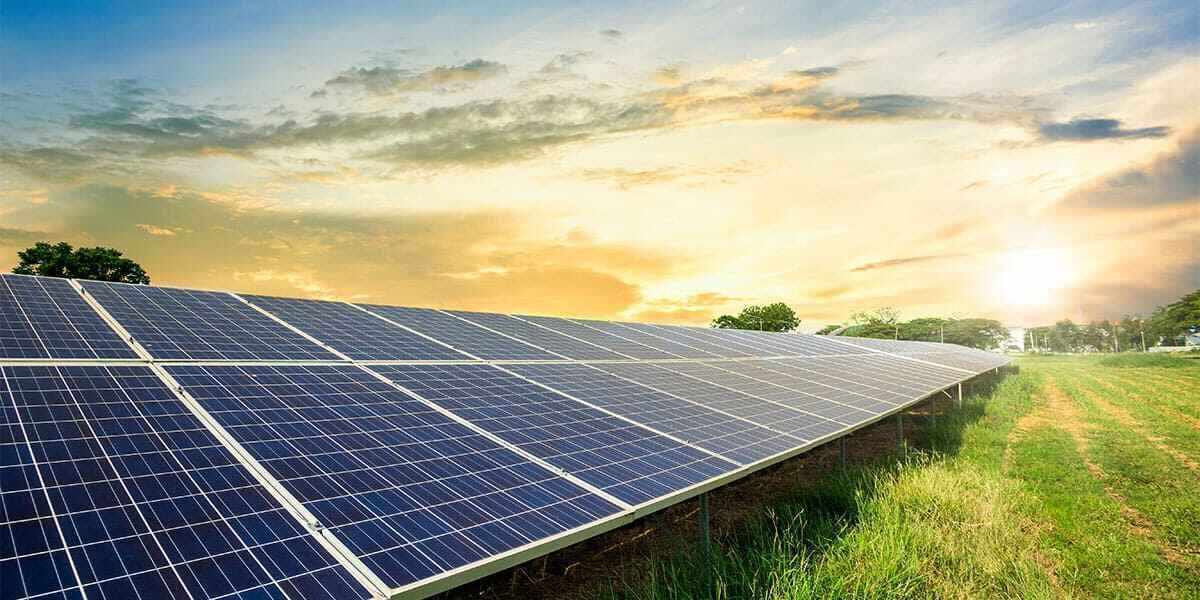
Solar and wind projects often connect to the grid through dedicated pooling substations, transformers, and evacuation lines. Their electrical infrastructure must be coordinated with the requirements of the receiving transmission network.
This makes substation engineering an important consideration when selecting epc solar companies for utility-scale projects.
When assessing epc companies in india, developers should examine engineering capability, substation integration, protection coordination, commissioning procedures, and project execution experience.
Similarly, organisations evaluating top epc companies in india, top solar epc companies in india, and solar epc companies should consider the contractor's ability to coordinate generation infrastructure with the electrical systems required for grid connectivity.
An integrated approach can help align plant design, transformer capacity, substation equipment, transmission connections, and protection systems. It also makes early identification of engineering interfaces easier, reducing the risk of delays during commissioning.
Hartek's Power Systems business reports more than 400 EHV/HV substation and turnkey projects across 21+ Indian states, with capabilities extending up to 765 kV. Its work spans substation engineering and execution, supporting the development of transmission infrastructure and renewable power integration. Learn about Hartek Power Systems.
7. The Importance of Testing and Lifecycle Maintenance
Advanced equipment delivers value only when it is installed, tested, and maintained correctly.
Before energisation, project teams should verify wiring, relay settings, circuit breaker operation, interlocking, alarms, communication links, and SCADA integration. Testing should follow approved procedures and project-specific technical requirements.
After commissioning, maintenance teams can use inspection records, fault histories, operating data, and equipment condition assessments to plan maintenance activities.
A lifecycle approach should include:
Periodic inspection and functional testing
Review of protection settings after network changes
Monitoring of transformer and switchgear condition
Inspection of connections and auxiliary supplies
Backup and controlled updating of digital configurations
Review of faults, alarms, and recurring equipment issues
This approach helps utilities make maintenance decisions based on equipment condition and operational risk, rather than relying exclusively on fixed inspection intervals.
8. What the Future of Substation Engineering Looks Like
The next generation of substations will increasingly combine digital protection, automated control, improved communication, condition monitoring, and data-driven maintenance.
Digital substations can improve information exchange between intelligent electronic devices and supervisory systems. Advanced monitoring can help engineers analyse disturbances, assess equipment behaviour, and identify maintenance priorities.
However, technology alone does not guarantee better reliability. The results depend on sound engineering, correct equipment selection, trained personnel, cybersecurity measures, and consistent maintenance practices.
The strongest approach is to consider substation design, construction, protection, automation, commissioning, and lifecycle support as connected responsibilities.
CTA: Strengthen Grid Reliability with Advanced Substation Engineering
Advanced substation engineering supports dependable power transmission by combining robust electrical design, coordinated protection, modern switchgear, automation, and disciplined maintenance.
With capabilities across EHV/HV substations, renewable EPC, power distribution products, and SCADA and automation, Hartek Group contributes to the development of India's evolving power infrastructure.
Learn more about Hartek's power infrastructure capabilities: Visit Hartek Group.
Frequently Asked Questions
1. What is advanced substation engineering?
It involves the integrated design and implementation of electrical equipment, protection, control, automation, communication, safety, and maintenance systems within a substation.
2. How do substations improve grid reliability?
Substations transform voltage, connect network sections, enable controlled switching, and isolate faults to help maintain safe and dependable electricity transmission.
3. How does SCADA improve substation operation?
SCADA provides equipment status, measurements, alarms, and remote monitoring capabilities that help operators assess conditions and coordinate operational decisions.
4. Why is protection coordination important?
Proper coordination helps the appropriate protective device isolate a fault while reducing unnecessary interruptions to other parts of the network.
5. How can advanced substations support renewable energy projects?
They provide the transformation, protection, switching, monitoring, and grid-interconnection infrastructure required to transfer renewable electricity into the wider power network.



Write a comment ...