
India's power sector is undergoing a major transformation. Rapid renewable energy deployment, rising electricity demand, industrial growth, electrification, and the increasing use of digital technologies are changing how electricity is generated, transmitted, stored, and consumed.
Solar and wind power are at the center of this transition. However, renewable generation also introduces a key challenge: electricity generation does not always match electricity demand. Solar generation changes with sunlight, while wind generation depends on weather conditions. At the same time, electricity demand can increase sharply during specific hours.
This is where Battery Energy Storage Systems (BESS) are becoming increasingly important.
A BESS can store electricity when it is available and discharge it when required. This capability can support peak demand management, renewable energy integration, grid balancing, frequency regulation, and improved power-system flexibility.
For India, battery storage is not simply another technology added to renewable projects. It is becoming an important component of the infrastructure required to build a flexible and future-ready power grid.
As the country continues to expand renewable generation, epc solar companies, solar epc companies, and broader epc companies in india will increasingly need to consider storage, substations, transmission infrastructure, protection systems, and digital monitoring as interconnected components of modern energy projects.
What Is a Battery Energy Storage System?
A Battery Energy Storage System stores electrical energy in batteries and releases it when required.
A typical BESS consists of several major components:
Battery cells and battery modules
Battery management system
Power conversion system
Energy management system
Thermal management
Protection equipment
Transformers
Switchgear
Monitoring and communication systems
The battery stores electrical energy in chemical form and converts it back into electrical energy when needed.
The ability to rapidly charge and discharge makes BESS particularly useful for modern electricity networks where generation and demand can change quickly.
Why India Needs Energy Storage
India's electricity demand is increasing as economic activity expands. At the same time, the country is adding significant solar and wind generation capacity.
This creates a mismatch between when electricity is generated and when electricity is required.
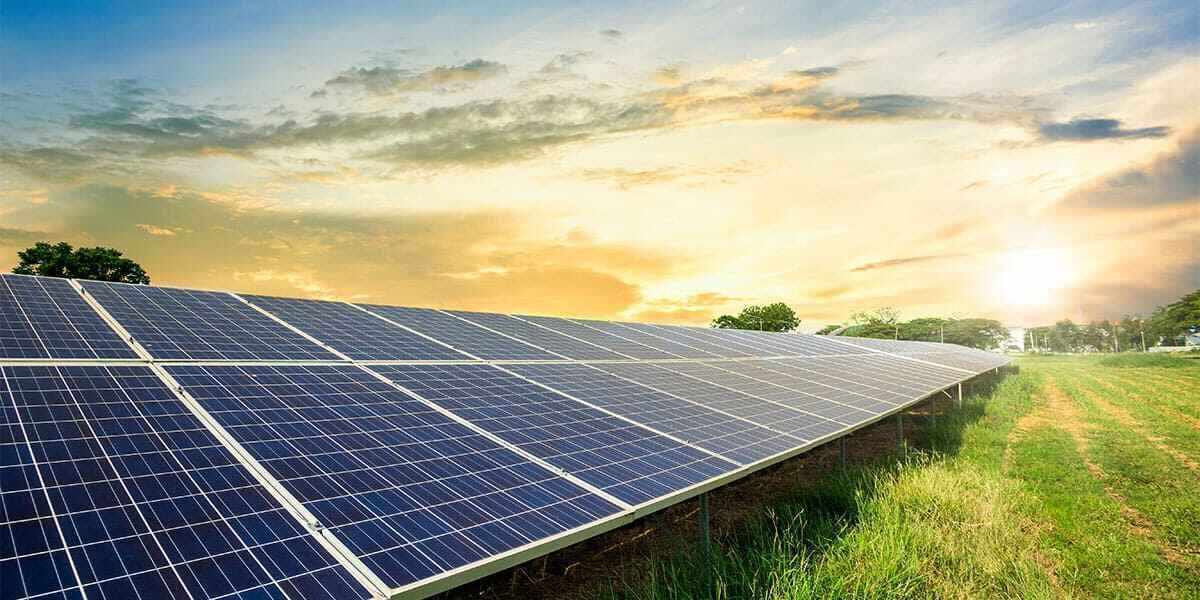
For example, solar generation is generally strongest during daylight hours. However, electricity demand may remain high during the evening when solar generation declines.
Without adequate flexibility, this mismatch can create pressure on the grid.
Battery storage can help address this challenge by:
Storing surplus renewable electricity
Discharging electricity during peak periods
Supporting grid stability
Reducing renewable energy curtailment
Improving renewable energy utilization
This makes BESS an important link between renewable generation and electricity demand.
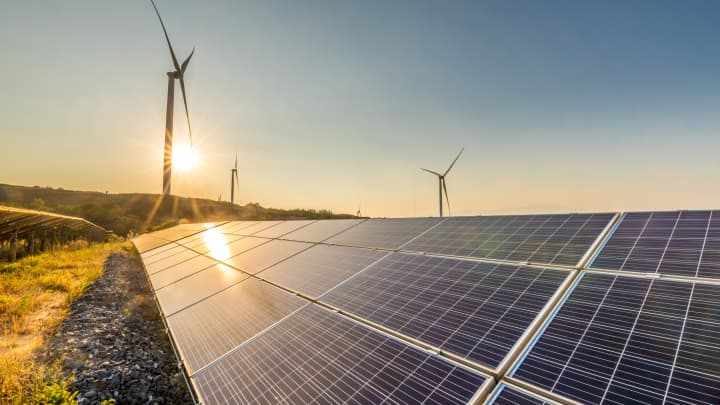
1. BESS Helps Integrate More Solar and Wind Energy
One of the most important applications of battery storage is renewable energy integration.
Solar and wind resources are variable. Their output can change depending on weather and environmental conditions.
A battery system can absorb excess generation when renewable output is high and release stored energy when generation falls.
This creates a more flexible generation profile.
For example:
High solar generation → Battery charging → Evening solar decline → Battery discharge
This process allows renewable electricity generated during periods of high production to serve demand later.
As India's renewable portfolio expands, the integration of storage with solar and wind projects can become increasingly valuable.
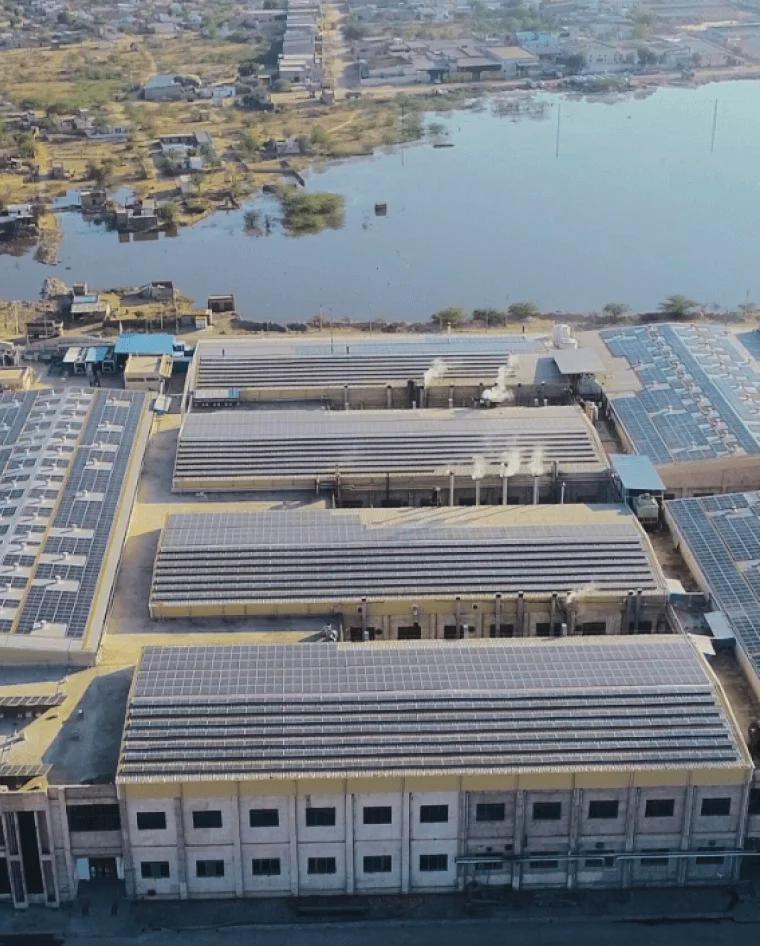
This will create new opportunities for top solar epc companies in india that can combine solar generation with electrical infrastructure and storage technologies.
2. BESS Can Support Peak Load Management
Electricity demand does not remain constant throughout the day.
Commercial facilities, industrial operations, residential consumers, and infrastructure systems can create significant demand during specific periods.
When demand rises sharply, utilities need additional power supply or flexibility.
BESS can discharge electricity during these peak periods.
This can help:
Reduce pressure on the grid
Manage peak demand
Improve utilization of renewable generation
Reduce dependence on expensive peak-period electricity
Support more efficient energy management
For industrial and commercial consumers, BESS can also become part of broader energy-management strategies.
3. Battery Storage Can Improve Grid Stability
A modern electricity grid must maintain a balance between generation and consumption.
Even small imbalances can affect system frequency and voltage.
Battery systems can respond quickly to changes in grid conditions.
Depending on their configuration and market application, BESS systems can provide services such as:
Frequency regulation
Voltage support
Peak shaving
Load shifting
Ramp-rate management
Reserve capacity
The fast response characteristics of batteries make them particularly suitable for applications that require rapid changes in power output.
4. BESS Can Reduce Renewable Energy Curtailment
Renewable energy curtailment occurs when available renewable electricity cannot be fully used or transmitted because of grid constraints, generation-demand mismatches, or other system limitations.
Instead of wasting excess renewable generation, battery systems can store a portion of the available electricity.
The stored power can later be discharged when:
Renewable generation decreases
Electricity demand increases
Transmission conditions improve
Grid flexibility is required
This can increase the practical utilization of renewable assets.
For a country investing heavily in solar and wind capacity, maximizing the value of generated electricity is increasingly important.
5. BESS and Transmission Infrastructure Must Work Together
Battery storage cannot operate independently from the wider electrical network.
Large BESS projects require appropriate:
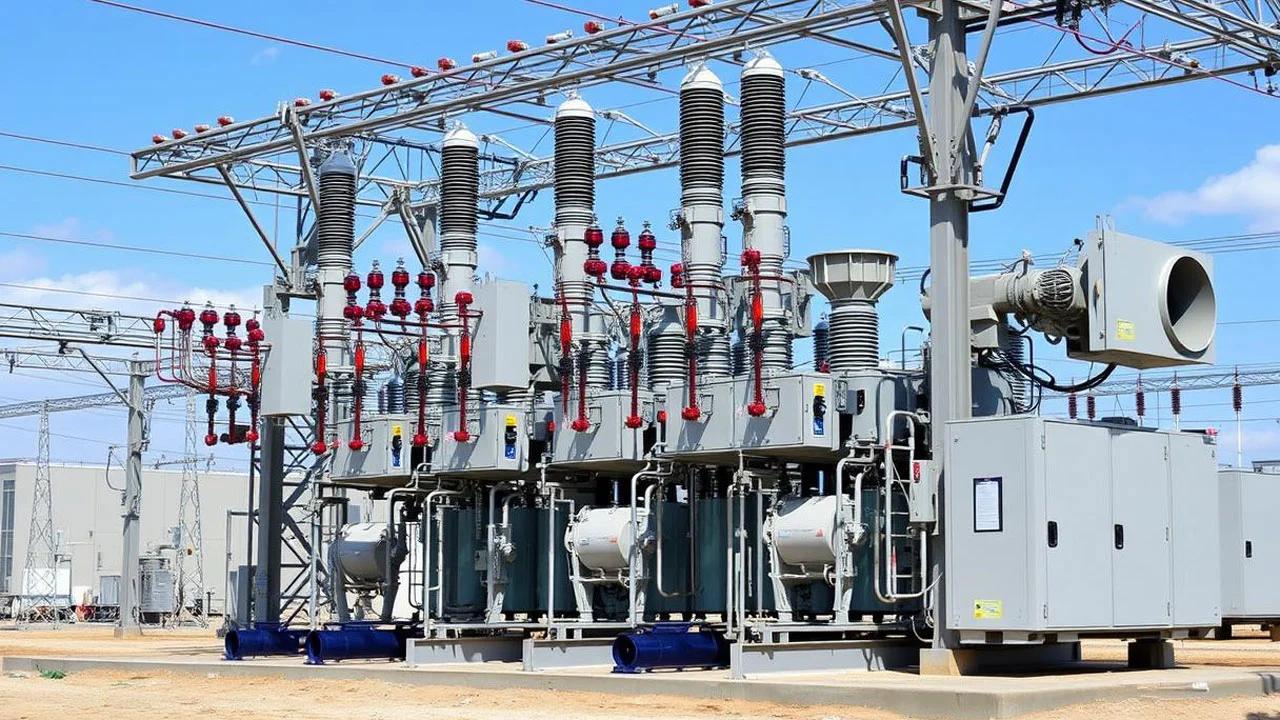
Transformers
Switchgear
Protection systems
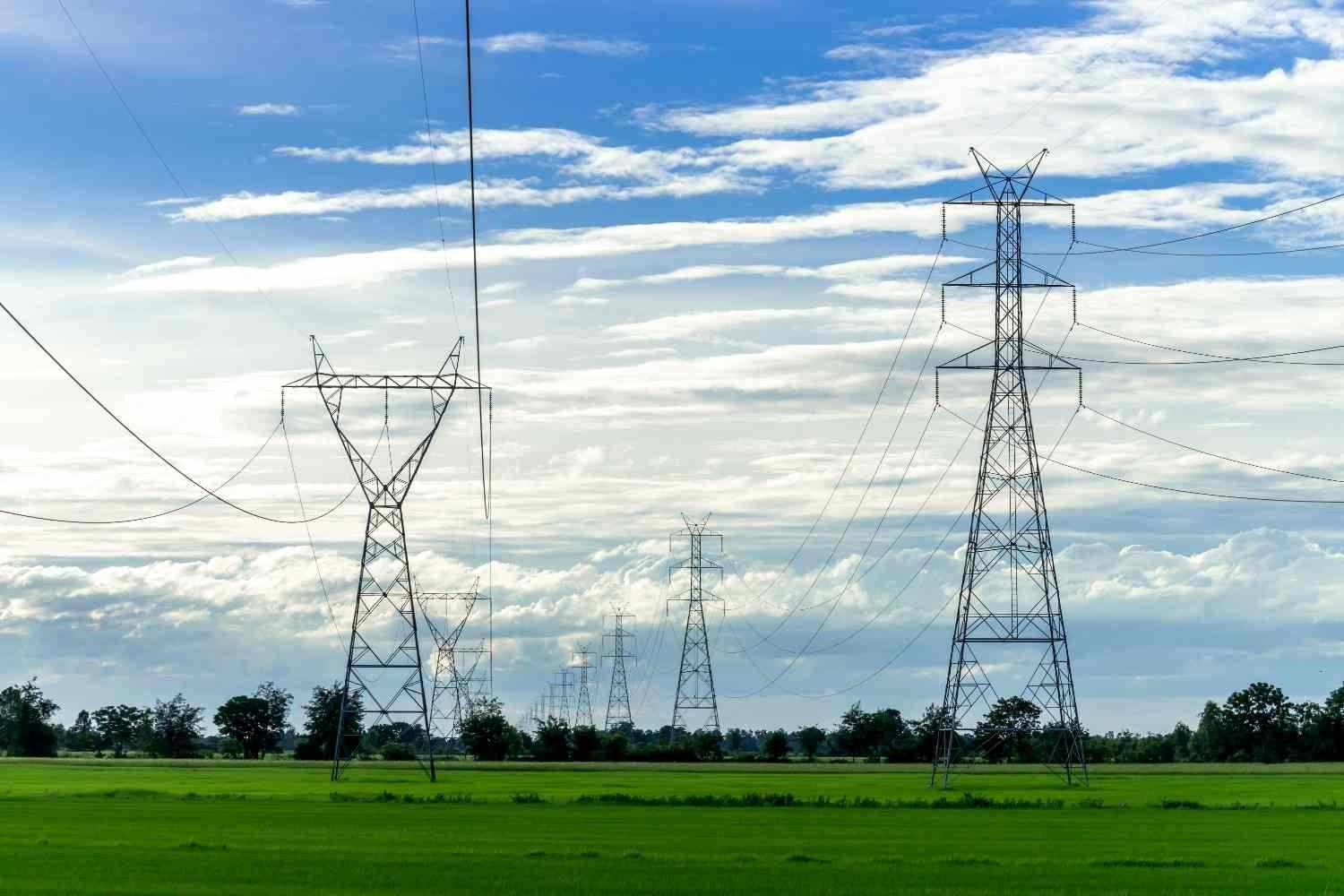
Transmission connections
Distribution infrastructure
Monitoring systems
Communication networks
This creates an important role for epc companies in india with expertise across renewable energy and power infrastructure.
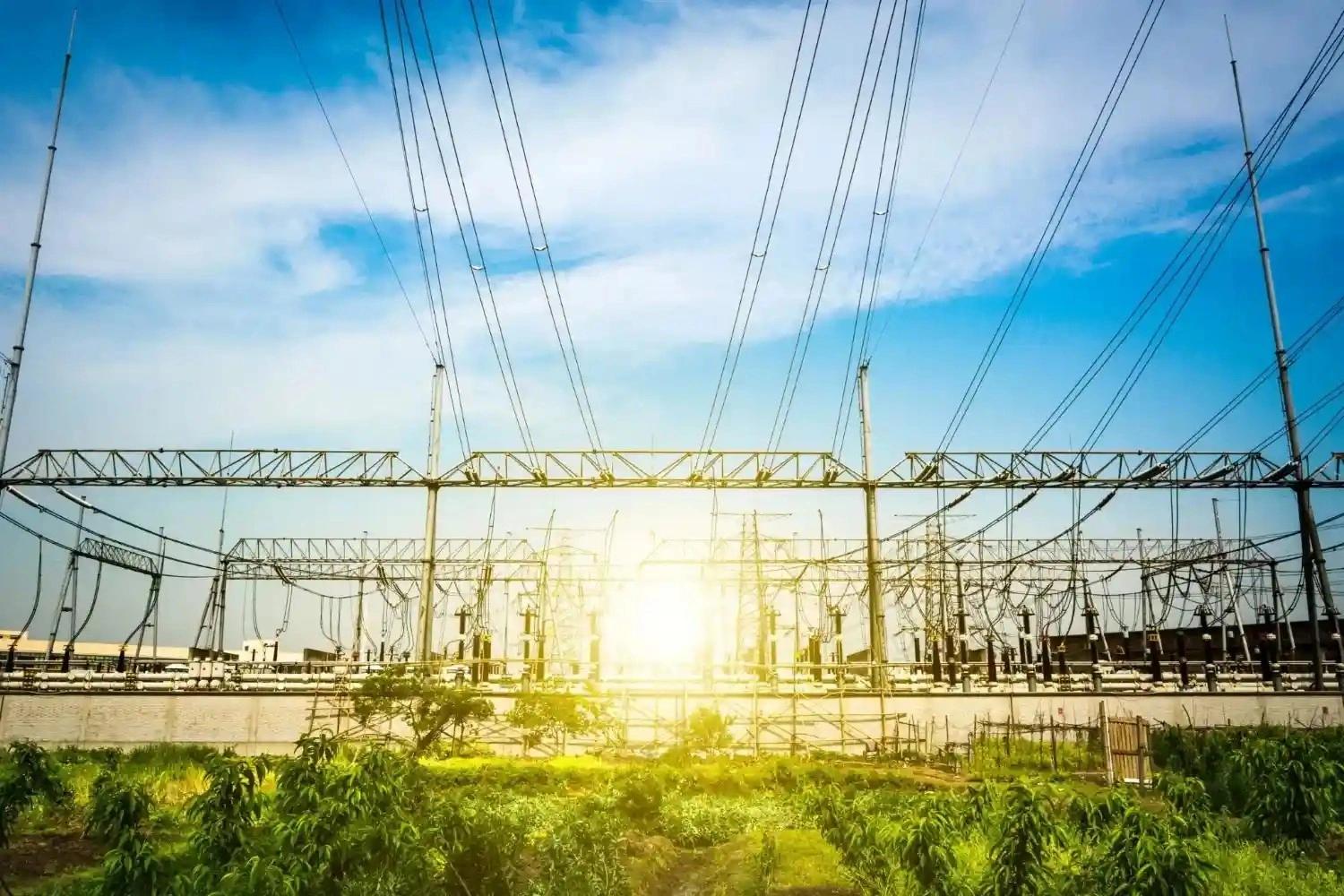
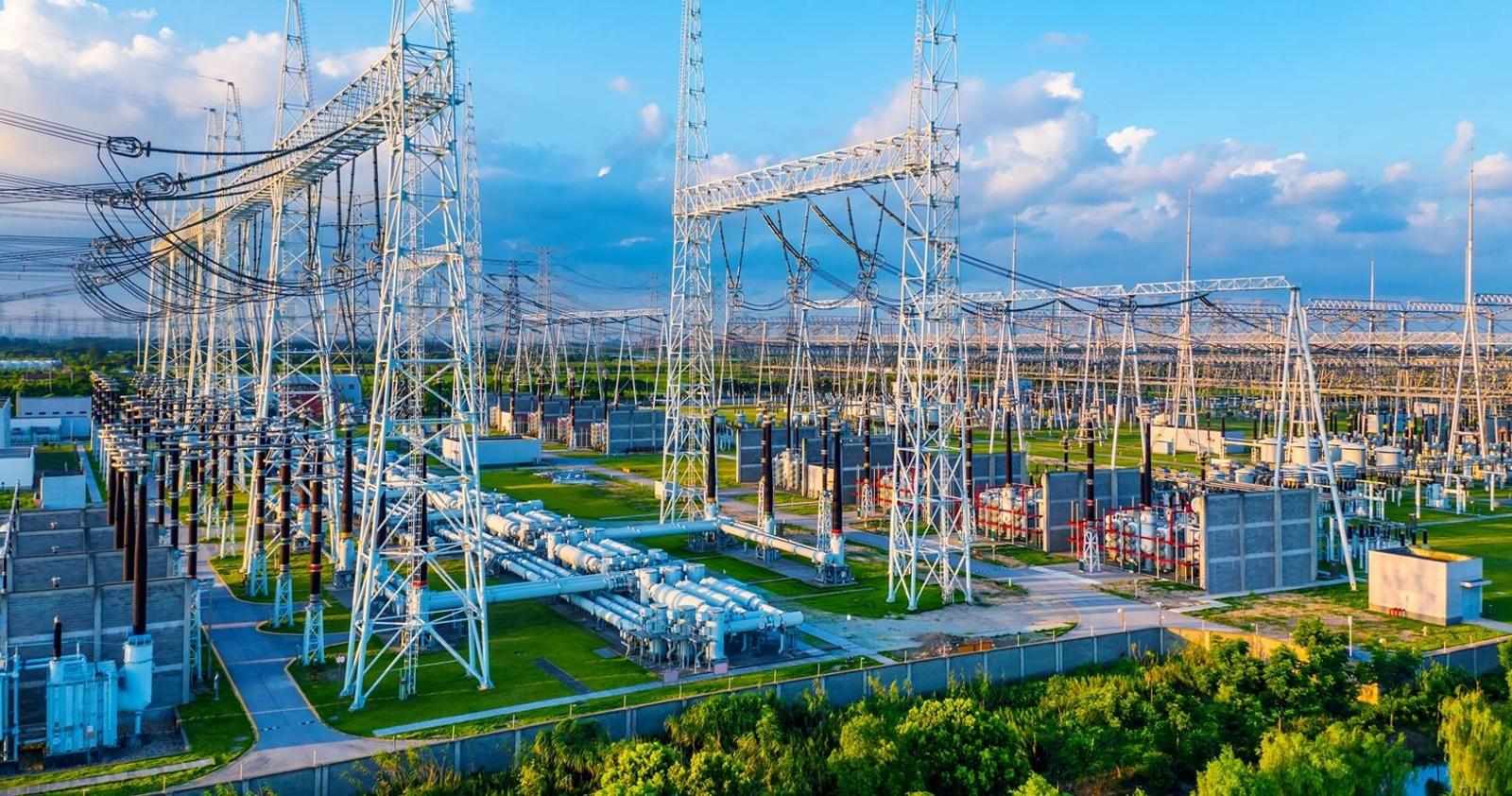
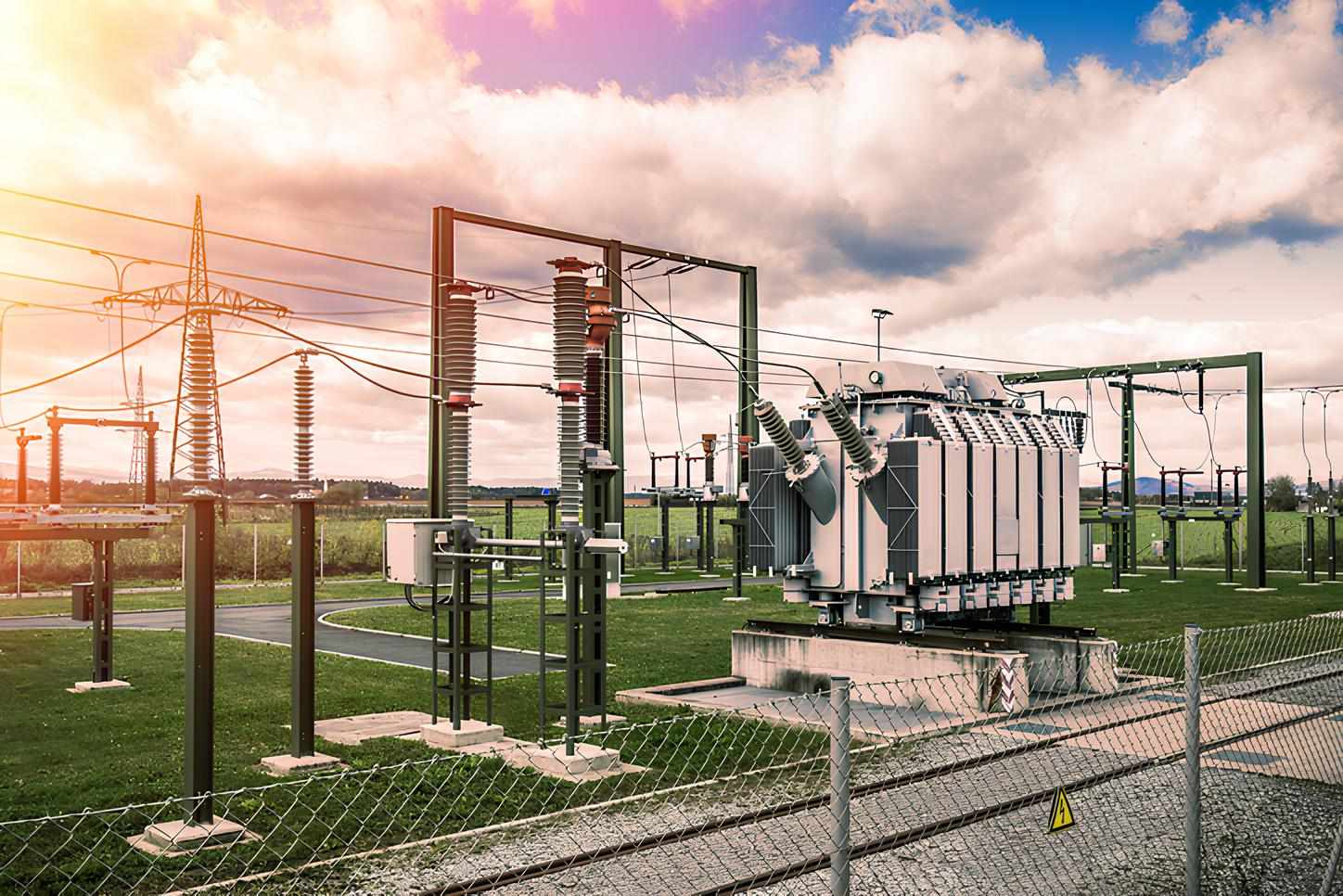
A BESS project may need to connect to a medium- or high-voltage network through a dedicated substation or electrical system.
This is where experience in electrical engineering and grid integration becomes particularly important.
6. The Role of Protection and Control Systems
Safety and protection are critical for any electrical infrastructure, including battery storage projects.
A relay control panel can support monitoring and protection functions within an electrical system.
A modern control and relay panel may be used to coordinate protective functions for transformers, feeders, switchgear, and other connected equipment.
The role of control relay panel manufacturers in india is therefore relevant to the development of modern storage and grid infrastructure.
A properly engineered control and relay panel in substation can help detect abnormal electrical conditions and initiate appropriate protective actions.
For suitable high-voltage applications, a 132 kv control relay panel can form part of the protection and control architecture associated with a substation.
These systems help safeguard equipment and support the safe operation of interconnected electrical networks.
7. Switchgear Is Essential for BESS Integration
Battery storage systems require electrical equipment capable of controlling, isolating, and protecting different parts of the system.
A medium voltage switchboard can support switching and distribution functions within relevant BESS and renewable energy applications.
A medium voltage panel can provide electrical control, protection, and isolation for connected equipment.
At the low-voltage level, low voltage switchboard manufacturers provide equipment for distribution and protection requirements.
An lv switchgear panel can support:
Circuit protection
Equipment isolation
Load management
Power distribution
Operational safety
The appropriate selection of switchgear depends on system voltage, capacity, configuration, protection requirements, and applicable standards.
8. Packaged Substations Can Support BESS Deployment
Battery storage projects often require dedicated electrical infrastructure between the battery system and the grid.
A packaged transformer substation can integrate important electrical components into a coordinated solution.
Depending on project requirements, a packaged substation may include:
Transformer
Switchgear
Protection equipment
Control systems
Monitoring equipment
Such integrated solutions can help simplify deployment where standardized and compact infrastructure is appropriate.
For renewable-plus-storage projects, packaged substations can provide an important interface between the generation or storage system and the electrical network.
9. SCADA Makes BESS Operations Smarter
A battery storage system generates large amounts of operational data.
Operators need visibility into:
Battery state of charge
Charging and discharging status
Power output
Temperature
Voltage
Current
Alarms
Equipment condition
A scada system in power system applications can help provide centralized monitoring and control.
An advanced scada control system can connect field equipment with a central control platform, allowing operators to monitor operating conditions and respond to events.
A scada based system can integrate battery systems, substations, switchgear, protection equipment, renewable plants, and other electrical assets.
The growing use of scada in power systems is therefore an important part of creating intelligent energy infrastructure.
10. BESS Can Support Renewable Energy Round-the-Clock
One of the biggest challenges with solar power is its daytime-only generation profile.
Combining solar with battery storage can create a more flexible electricity supply.
A simplified operating model could look like this:
Morning
Solar generation begins increasing.
Afternoon
Solar generation reaches high levels and excess electricity can charge the battery.
Evening
Solar generation falls while electricity demand remains high.
Night
Stored energy can be discharged according to the system's requirements.
This does not mean batteries automatically turn solar power into uninterrupted 24-hour generation. Rather, storage gives grid operators and energy users greater flexibility in deciding when renewable electricity is used.
11. BESS Can Support Distribution Networks
Battery storage is not limited to large transmission-connected projects.
Smaller systems can support:
Industrial facilities
Commercial buildings
Microgrids
Data centers
Renewable energy plants
Critical infrastructure
At the distribution level, storage can help manage local demand and support renewable generation.
It can also provide backup capabilities for selected applications when designed and configured appropriately.
This makes BESS relevant across multiple levels of India's electricity system.
12. BESS Creates New Opportunities for EPC Companies
The growing adoption of energy storage is changing the scope of renewable energy EPC services.
Earlier, solar EPC projects primarily focused on:
Solar modules
Inverters
Structures
Cables
Transformers
Grid connectivity
Future projects are increasingly likely to combine these elements with:
Battery storage
Energy management systems
Advanced SCADA
Digital substations
Intelligent protection
Advanced switchgear
This creates opportunities for epc solar companies that can provide integrated renewable and electrical infrastructure.
The top epc companies in india can potentially differentiate themselves through capabilities spanning renewable generation, storage, transmission, substations, automation, and grid integration.
13. BESS Can Improve Energy Security
Energy storage can also contribute to India's broader energy security objectives.
A more flexible electricity system can reduce dependence on any single generation source.
By combining:
Solar
Wind
Battery storage
Transmission
Hydropower
Other flexible generation
India can create a more diversified energy system.
BESS can help bridge short-duration gaps between generation and demand while supporting a wider portfolio of clean energy resources.
14. Challenges in Scaling Battery Energy Storage
Despite its potential, large-scale BESS deployment also presents challenges.
These include:
High Initial Investment
Battery systems require significant upfront investment, although costs and technologies continue to evolve.
Battery Degradation
Battery performance changes over time and depends on operating conditions, temperature, charging cycles, and chemistry.
Thermal Management
Proper thermal management is essential for safe and efficient operation.
Recycling and End-of-Life Management
As battery deployment increases, responsible recycling and material recovery will become increasingly important.
Grid Integration
Storage projects need appropriate electrical infrastructure, communication systems, protection, and control.
Skilled Workforce
India will need professionals with expertise in battery technology, electrical engineering, power electronics, software, automation, and grid management.
15. The Future of BESS in India's Power Grid
India's future power system is likely to become increasingly interconnected and flexible.
The combination of renewable energy and storage can support a system where electricity is generated, stored, transmitted, and consumed according to changing requirements.
Future BESS applications may increasingly involve:
Grid-scale storage
Renewable-plus-storage projects
Commercial and industrial storage
Distribution-level storage
Microgrids
Peak demand management
Ancillary grid services
Hybrid renewable energy systems
Advances in battery chemistry, power electronics, energy management software, and digital monitoring could further expand these applications.
The Role of Integrated Infrastructure in India's Energy Transition
Battery storage is only one component of a modern energy system.
For BESS to deliver its full value, it needs to operate within an electrical ecosystem that includes generation, substations, transformers, transmission systems, distribution infrastructure, protection equipment, and digital control.
This makes integrated EPC capabilities increasingly important.
Experienced solar epc companies and epc companies in india can support projects by coordinating engineering, procurement, construction, electrical integration, testing, and commissioning.
Companies with capabilities across renewable energy and power infrastructure will be better positioned to address the increasingly interconnected requirements of India's energy transition.
Building a Flexible and Storage-Ready Power Grid
India's renewable energy ambitions are creating a need for a power system that can respond quickly to changes in generation and demand.
Battery Energy Storage Systems can provide this flexibility.
They can store surplus renewable electricity, support peak demand, improve grid balancing, reduce curtailment, and complement modern transmission and distribution infrastructure.
However, the success of BESS will depend on more than battery technology. Strong engineering, appropriate switchgear, protection systems, substations, automation, SCADA, grid connectivity, and skilled project execution will all be essential.
As India continues its transition toward a cleaner energy mix, BESS is becoming an important building block of the future power grid.
Powering India's Next Energy Transition with Smarter Infrastructure
India's clean energy journey is moving from a focus on generating renewable electricity toward creating the infrastructure needed to manage, store, transmit, and deliver that electricity efficiently.
Battery Energy Storage Systems are central to this shift. They can provide the flexibility needed to integrate higher levels of solar and wind while helping utilities and energy consumers manage changing demand patterns.
The next generation of renewable projects will increasingly require a combination of solar generation, battery storage, substations, switchgear, protection systems, automation, and digital monitoring.
Hartek Group supports India's evolving energy infrastructure through capabilities across renewable energy, power systems, substations, electrical distribution products, and automation. By bringing these capabilities together, the company contributes to the infrastructure required for a more flexible and sustainable power ecosystem.
For top solar epc companies in india and the wider renewable energy sector, the future opportunity extends beyond adding generation capacity. It lies in building an integrated energy system where clean electricity can be generated when resources are available, stored when necessary, and delivered when consumers need it.
That is why Battery Energy Storage Systems are becoming essential to India's future power grid.



Write a comment ...